Reviving the Art, Science, and Spirit of Song Yingxing
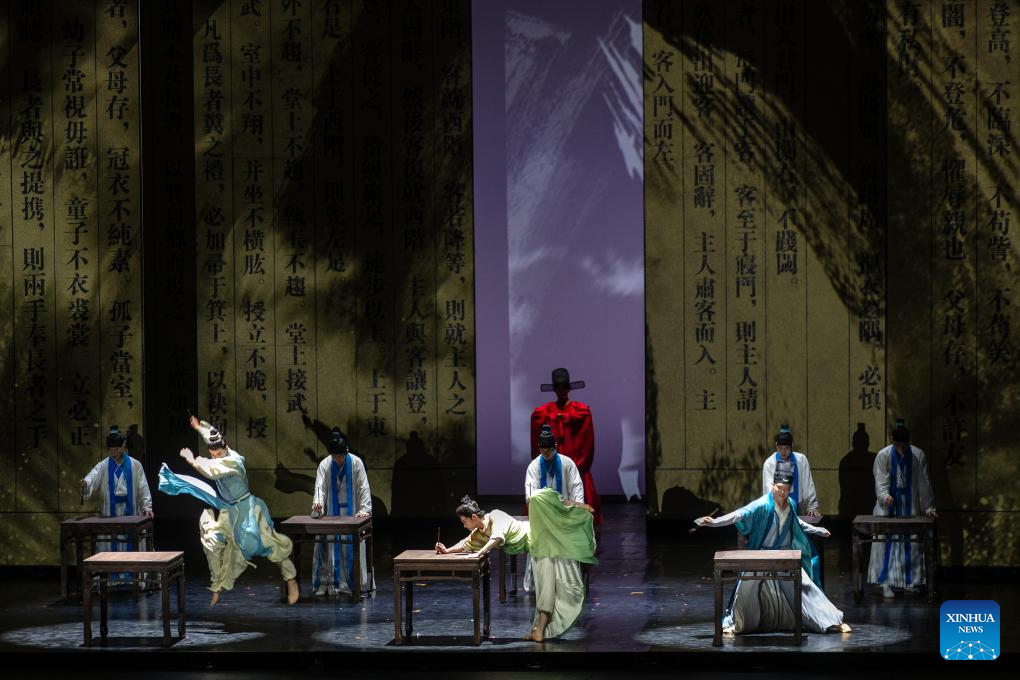
A new large-scale dance theatre production inspired by Tiangong Kaiwu (天工開物), or The Exploitation of the Works of Nature, is set to captivate international audiences following more than 100 sold-out performances in China. The work, directed by renowned filmmaker Lu Chuan, marks the opening production of the cultural series “Jiangxi That Influences the World.”
Originally published in May 1637, Tiangong Kaiwu was compiled by the Ming Dynasty scientist Song Yingxing. Recognised as the world’s first comprehensive encyclopedia on agriculture and handicrafts, the book features 123 illustrations and 130 documented techniques, covering agriculture, ceramics, textiles, metallurgy, shipbuilding, and construction. Written with the clarity of first-hand observation, the encyclopedia earned international acclaim, praised by Charles Darwin and Joseph Needham as “the greatest encyclopedia of agronomy and craftsmanship of the 17th century.”
Now, this historic work is reimagined through contemporary Chinese dance in a production jointly created by the Jiangxi Performing Arts Group, Beijing Dance Academy, Xinhua News Agency New Media Center, Beijing Yuan Dongli Pan Entertainment Group, and the Publicity Department of the CPC Committee of XinYu.

A Four-Act Journey Through a Scholar’s Life
The performance traces the life and spirit of Song Yingxing:
Act I explores his journey to the capital for imperial examinations, where Song becomes deeply inspired by the lives of ordinary people. Act II, his six attempts at the imperial exams which end in failure, revealing the limits of bureaucratic ambition. Act III, forty-five years past with little recognition, yet unbroken persistence. Act IV, delves into writing amid war and with the support of loved ones, Song writes Tiangong Kaiwu, crafting a scientific masterpiece that will echo through history.
(Photo by: Zhou Shengnan, Takis Leontidis)
Directed by Internationally Celebrated Filmmaker Lu Chuan
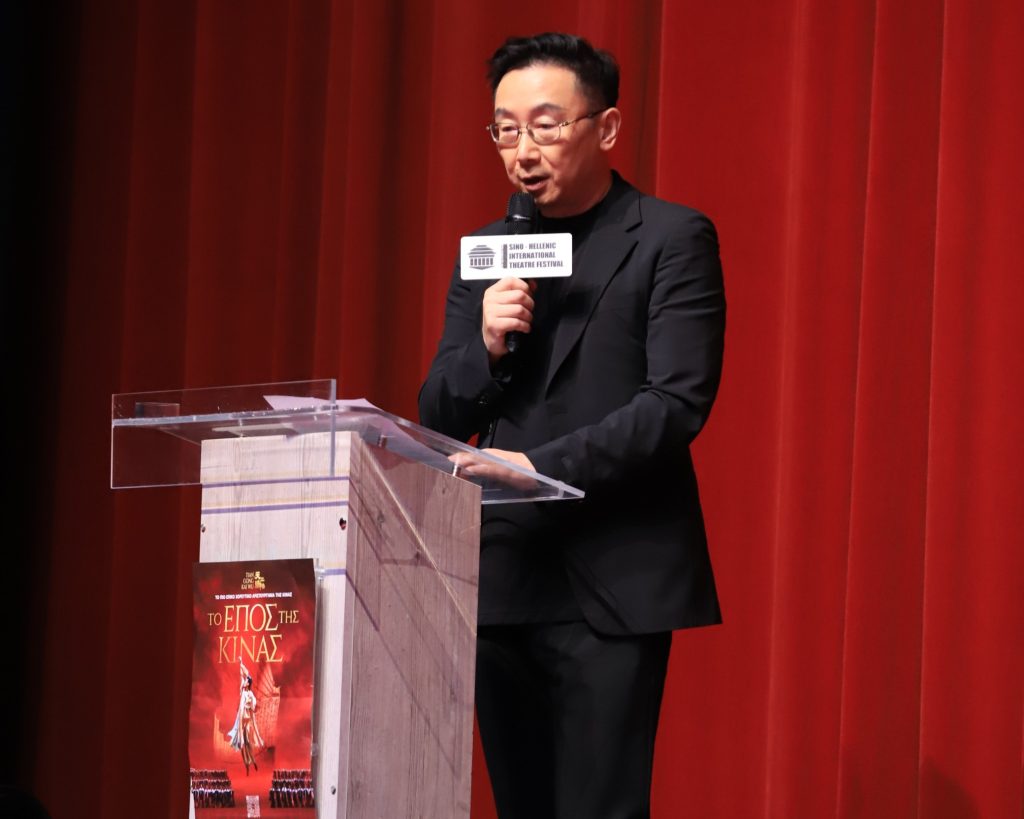
The production is helmed by Lu Chuan, one of the most influential figures in contemporary Chinese cinema. His previous accolades include: Best Director for Asia-Pacific Film Festival, Best Director for Asian Film Awards, Grand Jury Prize for Tokyo International Film Festival etc. Lu Chuan has also led major cultural events, serving as Artistic Director of the Special Olympics Summer Games Opening Ceremony (Shanghai) and General Director of the official film of the Beijing Winter Olympics. In 2004. Variety named him among the “Top Ten Young Directors in the World.”
Speaking after the production’s European premiere in Athens, Lu Chuan described the moment as deeply meaningful: “It’s like a dream for me, because Greece is the motherland of drama and philosophy.” He called the international debut “a bridge of communication” that allows audiences across cultures to exchange ideas and emotions (Xinhua Net).
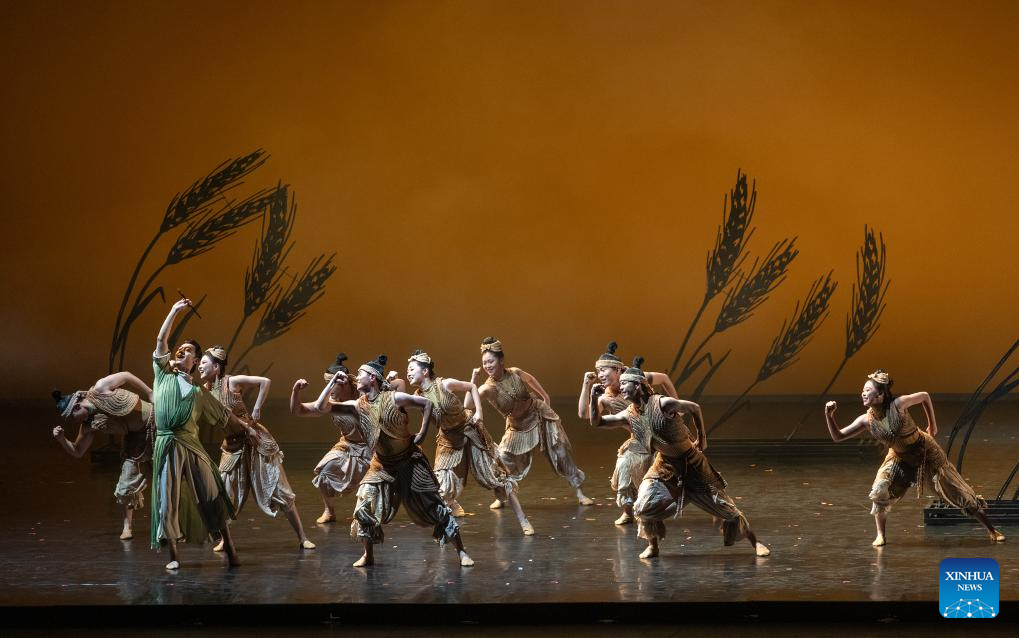
Featured Performers
Ma Jiaolong – Elderly Song Yingxing: National-Level Artist (Level 1), acclaimed dance creator and member of the Youth Troupe.
Hu Shi – Tu Shaowei: Former Northern Theater Army dancer; twice awarded Third-Class Personal Awards; visiting professor and arts leader.
An Yining – Young Song Yingxing: Member of the Youth Dance Troupe, Beijing Dance Academy; graduate in Chinese Classical Dance.
Liu Jing – Song Yingsheng: Former dancer and current teacher with the Youth Dance Troupe; postgraduate and member of multiple national arts associations.
A Cross-Cultural Celebration of Ingenuity
Through vivid staging, dynamic choreography, and cinematic storytelling, “Tiangong Kaiwu” brings to life one of China’s most significant scientific works. The production celebrates the ingenuity of Song Yingxing and highlights Jiangxi’s enduring contributions to world civilization.
The performance of Tiangong Kaiwu in Greece creates a powerful cultural dialogue between two of the world’s oldest civilizations, each shaped by a deep commitment to knowledge, craftsmanship, and philosophical inquiry. Just as ancient Greek thought sought to understand the principles governing nature through philosophy, science, and drama, Tiangong Kaiwu embodies the Chinese tradition of observing, recording, and refining the practical workings of the natural world. Presenting this work on Greek soil—widely regarded as the birthplace of theatre and Western philosophy—transforms the stage into a shared space of cultural reflection, where Eastern empirical wisdom meets Western intellectual heritage. Through movement, rhythm, and embodied storytelling, the performance transcends language, affirming that curiosity, creativity, and the human desire to understand and shape the world are values that unite Greek and Chinese culture across centuries.