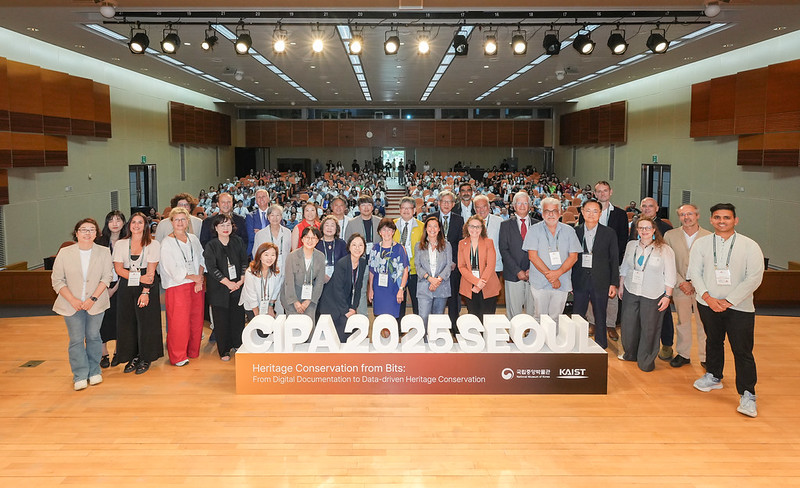
CIPA 2025 Seoul, one of the world’s leading international conferences on digital heritage, recently brought together global experts for the 30th time to explore the future of data-driven heritage conservation. Among the participants was Kostas Konstantinidis, Founder and Manager of East Meets West Greece (EMWG), who took part in the event as a representative of Europeana, while also contributing his professional expertise through his company. The event, co-organised by the National Museum of Korea and the Korea Advanced Institute of Science and Technology (KAIST), with the theme of Heritage Conservation from Bits: From Digital Documentation to Data-driven Heritage Conservation, explored how emerging technologies and data-driven approaches are transforming the documentation, preservation, and interpretation of cultural heritage.
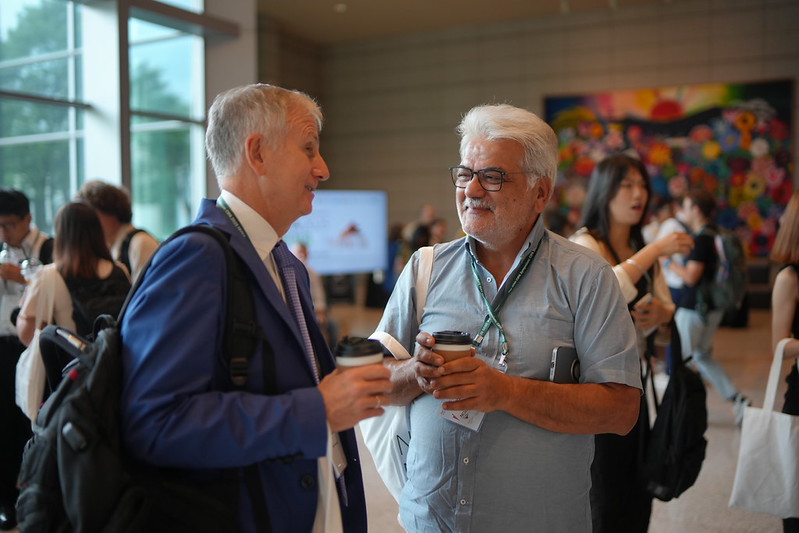
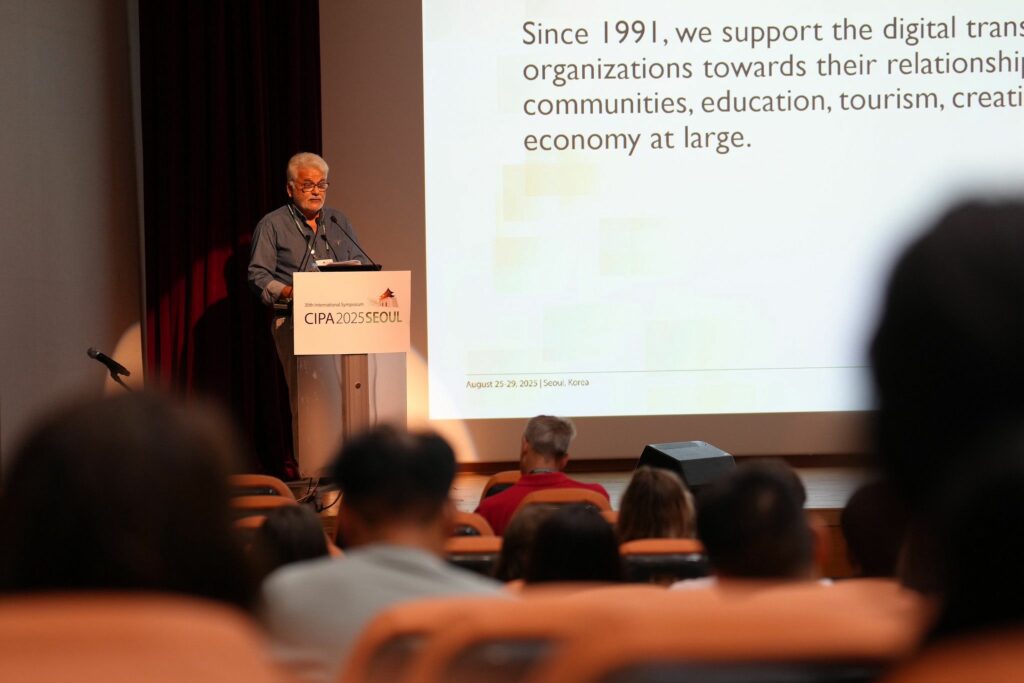
During his keynote presentation, Mapping the Future: 3D Digitisation of European Cultural Heritage, Konstantinidis introduced Europeana’s “Twin it!” initiative, a pan-European campaign supporting the European Commission’s 2021 recommendation to digitize Europe’s cultural heritage in 3D by 2030. The initiative focuses on preserving at-risk monuments and digitally capturing half of Europe’s most visited cultural sites, with milestones set for 2025. His presentation highlighted Europeana’s achievements in developing infrastructure, guidelines, and collaborative mechanisms across the cultural sector, showcasing Europe’s leadership in digital preservation.
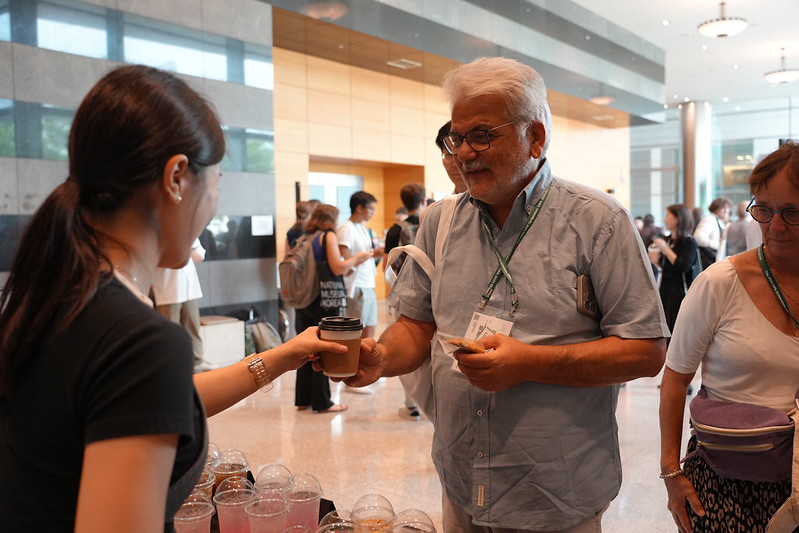
Konstantinidis’ participation also underscored the growing cultural and technological dialogue between Europe, Greece, and South Korea, demonstrating the potential of international cooperation to safeguard heritage for future generations. By sharing Europeana’s approach and the “Twin it!” project with a global audience, he contributed to meaningful discussions about how 3D digitization, AI, and other emerging tools can reshape heritage conservation, accessibility, and engagement worldwide.
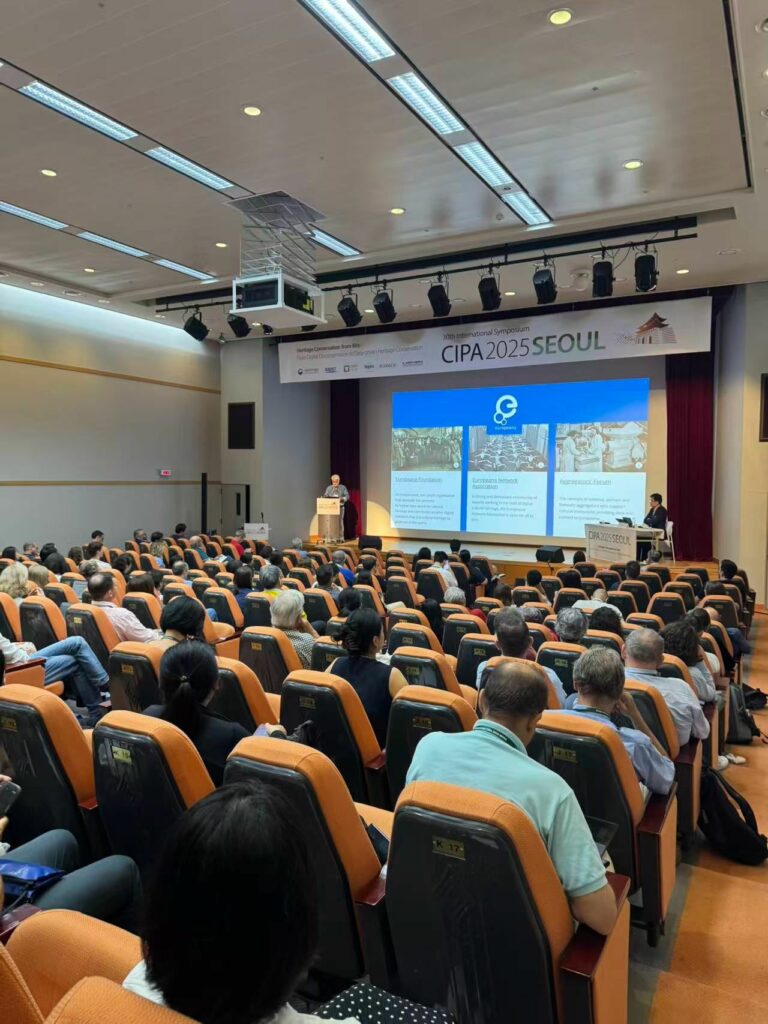
The event served as a vibrant platform for exchange, bringing together scholars, technologists, and heritage professionals to envision the future of heritage in the digital age. Konstantinidis’ involvement not only highlighted European innovation in cultural preservation but also reinforced the importance of cross-cultural collaboration in building a more connected and sustainable approach to safeguarding the world’s shared heritage.
As two countries with deep historical legacies and strong commitments to creativity, Greece and Korea share a common interest in using digital tools to protect heritage while making it accessible to global audiences. Forums such as CIPA 2025 provide an important space for strengthening these connections, encouraging knowledge exchange, and building lasting partnerships between European and Asian institutions.